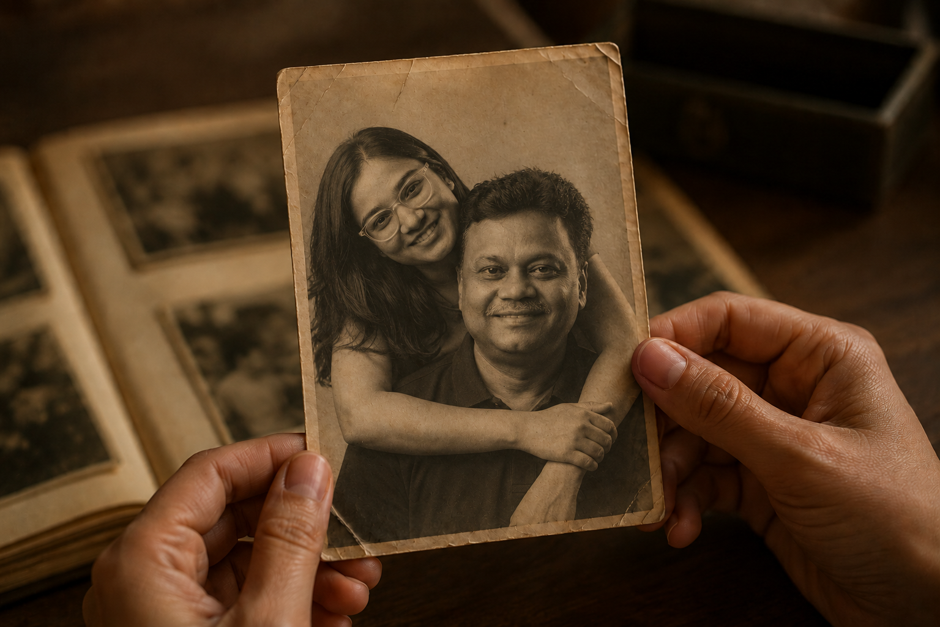
Everyone tells you grief comes in stages. Denial, anger, bargaining, depression, acceptance you have probably heard the list. It is a useful framework. It gives shape to something that otherwise has no shape at all. But what the stages don’t tell you what no neat framework can really prepare you for is the texture of grief. The way it actually feels to live inside it, day after ordinary day, when the world keeps moving and you are expected to move with it.
I have been to that place. I have lived in it. And I want to talk about the parts of it that people don’t usually say out loud not because they are shameful, but because they are true, and truth has a way of making people feel less alone.
One. You will be fine and broken at the same time, and both will be completely true.
This is the one that confused me most in the beginning. I would have entire good days, even when I laughed and worked and felt genuinely present in my life. And then I would come home and sit down and feel the loss hit me like it was brand new. People around me sometimes took the good days as a sign that I was healing, that I was moving on, that things were getting back to normal. And I did not know how to explain that both things were happening simultaneously. That joy and grief are not opposites. That you can hold a conversation and carry a wound at the same time. That being okay and not being okay can exist in the same body, in the same hour, without either one being a lie.
Two. Grief has no timeline, no matter what anyone tells you.
Six months later. One year later. Three years later. People have ideas spoken and unspoken about how long grief is supposed to last. There is an invisible clock that others seem to be watching even when you have forgotten it exists. And when you are still struggling past the point where you are expected to have recovered, there is a particular loneliness in that. A sense of having failed at something. I want to say clearly: grief does not follow a calendar. Some days are easy. Some days, years later, a song or a smell or an unexpected Tuesday morning will undo you completely. That is not a weakness. That is love. That is what it looks like when someone matters.
Three. The people around you will not always know what to say, and that is okay.
Loss makes people uncomfortable. Not because they don’t usually care very much but because they don’t know how to hold it. They say things that don’t land quite right. They change the subject. They offer advice when what you need is silence. I spent some time being hurt by this before I understood it. Now I understand that the people who love you and say the wrong thing are still the people who love you. Let them. Sit with them in their awkwardness and your grief together. It is still a company. It is still something.
Four. Strength and grief are not opposites you can carry both.
There is a particular pressure that comes with being the person other people lean on. The eldest daughter. The one who holds things together. The one who is described as strong by everyone around her and therefore feels she has no permission to fall apart. I know this pressure well. I lived inside it for longer than I should have. And what I want to say to anyone else living inside it right now is this: carrying your grief does not make you weak. Admitting you are broken does not mean you have failed. Strength is not the absence of pain. Strength is continuing to show up while carrying it. You have been doing that. That counts.
Five. Saying their name out loud keeps something of them alive.
This is the one I hold closest. After loss, there is a strange social pressure to stop bringing up the person who is gone as though mentioning them will make things harder, will open wounds, will make everyone sad. And so their name slowly disappears from conversations. And that disappearance is its own kind of loss. I want to push back against that. Say their name. Tell the stories. Laugh at the memories that were funny. Get angry about the things they did that drove you mad. Let them continue to exist in your language, your stories, your daily life. They are not less gone because you talk about them. But you are less alone